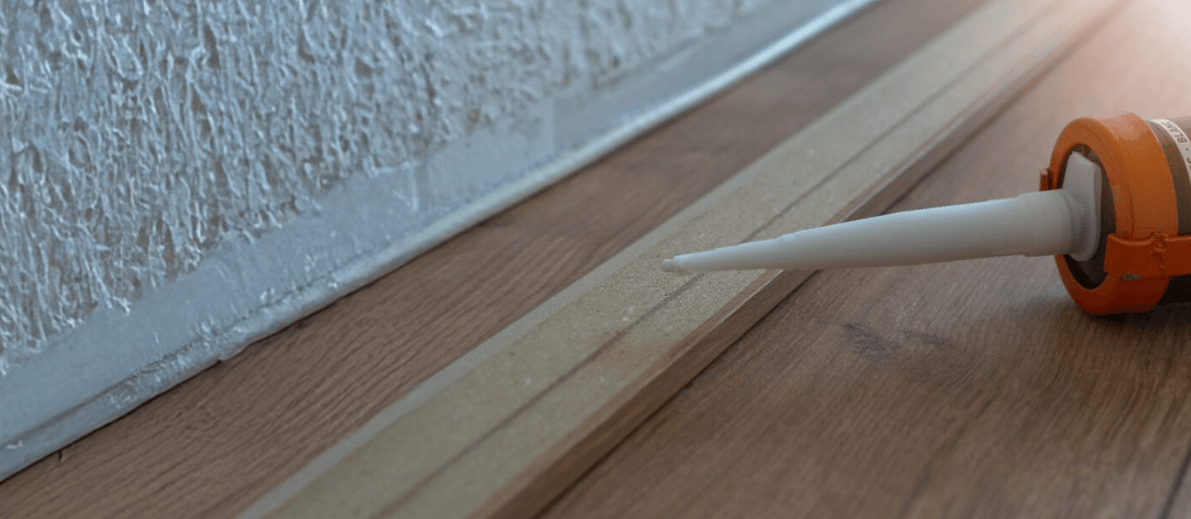
You wipe your kitchen surfaces daily, keep food sealed, and maintain a tidy space, yet pests still appear around your benchtop. It often feels like they are coming from nowhere. In many cases, the problem is not cleanliness but access. Even high-quality surfaces such as marble benchtops can develop tiny gaps where the silicone joint meets the wall or cabinetry. These joints are easy to overlook, but they can quietly become entry points for pests. What looks like a sealed edge may actually be a deteriorating barrier that allows insects to move in and out without ever being noticed.
Why Silicone Joints Become Vulnerable Over Time
Silicone joints are designed to create a watertight seal between your benchtop and the surrounding surfaces. However, they are not permanent. Over time, exposure to moisture, heat, and daily cleaning chemicals can gradually weaken the material. Kitchens are particularly harsh environments, with constant temperature changes and frequent water contact.
As silicone ages, it can begin to shrink, crack, or pull away slightly from the surface. These changes are often subtle and not immediately visible unless inspected closely. Even a hairline gap is enough to compromise the seal. Because these joints run along the entire length of the benchtop, any deterioration creates a continuous pathway rather than a single isolated opening.
How Small Gaps Turn Into Pest Entry Points
Pests do not need large openings to enter a home. In fact, many insects can squeeze through extremely small cracks and crevices. Tiny gaps around benchtops provide exactly what they need: access, shelter, and proximity to food.
Kitchens naturally attract pests due to the presence of food, moisture, and warmth. Crumbs, grease, and even microscopic food residue can draw insects into the area. Once pests identify a reliable food source, they will continue returning to the same entry points.
Silicone joints that have weakened become ideal access routes because they are:
- Hidden from view
- Close to food preparation areas
- Connected to cabinets, walls, and internal cavities
Even the smallest opening can act as a consistent pathway for ants, cockroaches, and other crawling insects. Over time, this repeated movement can lead to a more established infestation, often requiring a targeted pest control treatment rather than simple cleaning.
What Happens Beneath the Benchtop Surface
What makes this issue more problematic is what occurs out of sight. Beneath the benchtop, there are often spaces that are not regularly cleaned or inspected. These areas can accumulate moisture from sinks, spills, or condensation, creating an ideal environment for pests to settle in.
Food particles can also fall or settle into these hidden gaps, particularly near cooking and preparation zones. Once inside, pests find a combination of shelter, moisture, and food, allowing them to remain undetected for long periods.
Many pests prefer dark, undisturbed areas where they can hide during the day and emerge at night. Spaces behind cabinets, under sinks, and within wall cavities provide exactly these conditions. When silicone joints fail, they effectively connect these hidden zones to your kitchen surface.
Why This Issue Often Goes Unnoticed
One of the main reasons this problem persists is that it is not immediately visible. Most cleaning routines focus on surfaces that can be seen, such as countertops, floors, and appliances. The narrow line of silicone along the edge of a benchtop rarely receives the same attention.
Early pest activity is also subtle. You may only notice the occasional insect, which can be dismissed as a random occurrence. However, these sightings are often early indicators of a larger issue developing behind the scenes.
Small gaps are also difficult to detect without close inspection. Unlike large cracks or structural damage, silicone deterioration happens gradually. By the time pests become noticeable, they may already be using the gap regularly.
Why Targeted Pest Control and Maintenance Matter
Addressing this issue requires more than surface cleaning. A proper pest control approach focuses on identifying and managing hidden entry points, not just visible pests. This includes inspecting areas where silicone joints meet walls, cabinets, and sinks, and determining whether the seal has failed.
Sealing gaps is an essential step, but it must be combined with a broader strategy. Pests often enter through multiple points, including cracks, pipe openings, and wall penetrations. If only one area is addressed, others may continue to allow access.
Professional approaches typically involve identifying hidden entry points, treating areas where pests are nesting or travelling, re-sealing vulnerable joints, and monitoring the space over time to prevent recurrence. This method focuses on long-term control rather than short-term removal.
Conclusion
The silicone joint around your benchtop may seem insignificant, but it can play a major role in pest problems. Even the smallest gap can provide access to food, moisture, and shelter, allowing pests to establish themselves without being noticed. Because these gaps are hidden and easy to overlook, they often remain untreated until the issue becomes far more visible.
Understanding how these entry points form and addressing them early can make a significant difference. Preventing pests is not just about keeping surfaces clean, but about ensuring that even the smallest openings are properly sealed and maintained. Taking early action reduces the need for repeated rounds of pest control and helps maintain a cleaner, more controlled kitchen environment.
See also: 7875923411 Quick Overview What Is a Firm
FAQs
1. How often should silicone joints around a benchtop be replaced?
Most silicone seals last between five and ten years, depending on kitchen conditions. Areas exposed to heavy moisture or heat may need resealing sooner, so a quick visual check every year is a good habit.
2. What are the early signs that pests are entering through benchtop gaps? Common signs include small droppings near edges, faint trails of grease or dust along the joint, occasional insect sightings at night, and a musty odour beneath cabinets despite regular cleaning.
3. Can I reseal the silicone joint myself, or should I call a professional?
Minor resealing can be a DIY task with the right silicone product and preparation. However, if pests are already active or the gap is part of a larger issue, a professional inspection is the safer option.
4. Do all benchtop materials develop these gaps, or only certain types?
Almost all benchtop materials, including stone, timber, laminate, and engineered surfaces, rely on silicone joints. Any of them can develop gaps over time, regardless of the surface quality.
5. Will sealing the joint alone stop a pest problem completely?
Sealing helps significantly, but it usually needs to be combined with a broader pest management approach to address other entry points and any existing activity inside the home.