Digital || Digital || Digital || Digital
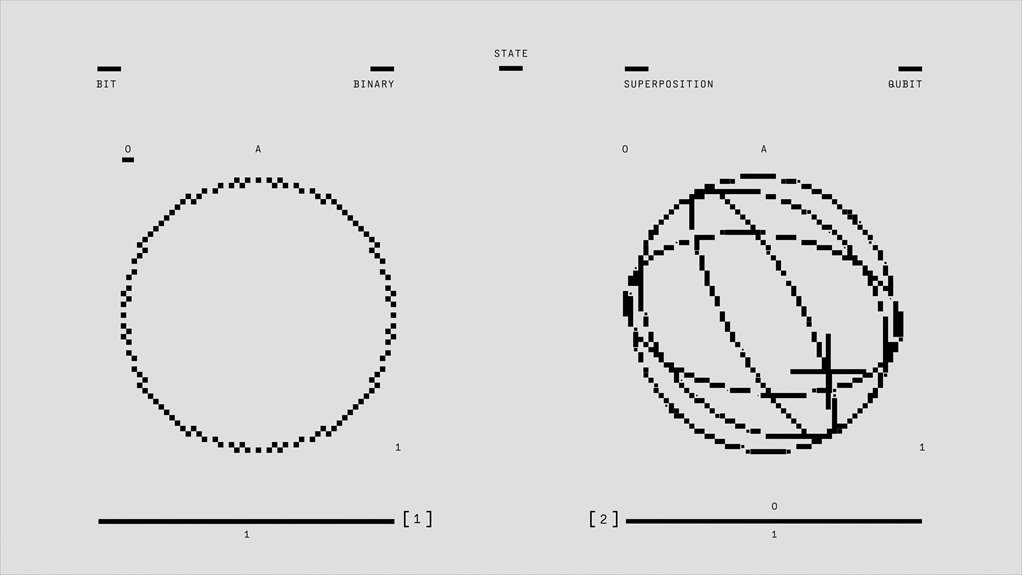
Digital refers to information represented in binary form (0s and 1s) and processed by computers and electronic devices.
It is commonly used to describe technology, data, and systems that operate electronically rather than physically or analog.
In everyday use, “digital” relates to online platforms, software, and electronic communication.




Digital: Meaning, History, Types, Uses, and the Future of a Digital World
In today’s fast-paced world, the term digital has become a core part of everyday life. From smartphones and online banking to artificial intelligence and cloud computing, digital technologies shape how we communicate, work, learn, and do business. This article provides a complete, in-depth understanding of digital concepts, their history, types, applications, benefits, challenges, and future trends.
What Is Digital?
The word digital refers to information or technology that uses discrete values—usually binary numbers (0 and 1)—to represent data. Unlike analog systems, which rely on continuous signals, digital systems process information in a precise, measurable, and programmable form.
Digital technology enables devices and systems to store, transmit, analyze, and manipulate data efficiently. This capability is the foundation of modern computing, the internet, and smart technologies.
History of Digital Technology
Early Beginnings
The roots of digital systems date back to the early 19th century when mathematicians and engineers explored binary logic. However, the real transformation began in the mid-20th century with the invention of electronic computers.
The Computer Revolution
In the 1940s and 1950s, early computers like ENIAC used digital logic to perform calculations. Over time, computers became smaller, faster, and more affordable, leading to widespread adoption.
The Internet Era
The 1990s marked a major milestone with the rise of the internet. Digital communication became global, enabling email, websites, and online commerce.
Modern Digital Age
Today, digital innovation includes artificial intelligence, blockchain, big data, cloud computing, and the Internet of Things (IoT). These technologies continue to redefine industries and lifestyles.
Types of Digital Technology
1. Digital Communication
This includes emails, messaging apps, video conferencing, and social media platforms that allow instant global communication.
2. Digital Media
Digital media covers images, videos, audio, eBooks, podcasts, and streaming services that replace traditional physical formats.
3. Digital Marketing
Online advertising, SEO, social media marketing, email campaigns, and content marketing fall under this category, helping businesses reach targeted audiences.
4. Digital Devices
Smartphones, tablets, laptops, smartwatches, and IoT devices are examples of hardware powered by digital systems.
5. Digital Finance
Online banking, mobile wallets, cryptocurrency, and digital payment systems have transformed financial transactions.
6. Digital Education
E-learning platforms, virtual classrooms, online courses, and educational apps make learning accessible worldwide.
Key Components of Digital Systems
- Hardware: Physical devices like processors, memory, and sensors
- Software: Programs and applications that run on digital devices
- Data: Information stored and processed digitally
- Networks: Internet and communication infrastructure
- Users: Individuals or organizations interacting with digital systems
Applications of Digital Technology
Business and Industry
Digital tools improve productivity, automation, customer service, and data-driven decision-making. Cloud platforms and AI systems help companies scale efficiently.
Healthcare
Electronic medical records, telemedicine, AI diagnostics, and wearable health devices enhance patient care and medical research.
Education
Digital learning platforms provide flexible education opportunities, remote access, and personalized learning experiences.
Entertainment
Streaming services, online gaming, virtual reality, and digital content creation dominate modern entertainment.
Government and Public Services
E-governance systems enable online documentation, digital identity verification, and efficient public service delivery.
Advantages of Digital Technology
- Speed and Efficiency – Instant processing and communication
- Accuracy – Reduced errors compared to analog systems
- Scalability – Easy expansion and integration
- Cost Savings – Automation lowers operational costs
- Global Connectivity – Enables worldwide collaboration
Challenges and Risks of Digital Systems
Despite its benefits, digital transformation also brings challenges:
- Cybersecurity threats such as hacking and data breaches
- Privacy concerns related to personal data usage
- Digital divide between connected and underserved populations
- Over-dependence on technology
- Job displacement due to automation
Addressing these issues requires strong policies, education, and ethical technology use.
Digital Transformation
Digital transformation refers to integrating digital technology into all areas of business and society. It involves changing processes, culture, and customer experiences to meet modern demands.
Key drivers of digital transformation include:
- Cloud computing
- Artificial intelligence
- Big data analytics
- Automation
- Mobile technology
Organizations that adopt digital transformation gain a competitive advantage in efficiency, innovation, and customer satisfaction.
Future of Digital Technology
The future of digital innovation is expected to focus on:
- Artificial Intelligence and Machine Learning
- Smart Cities and IoT expansion
- Metaverse and Virtual Reality
- Blockchain and decentralized systems
- Green and sustainable digital solutions
As technology evolves, digital systems will become more intelligent, secure, and human-centric.
FAQs About Digital Technology
What does digital mean in simple terms?
Digital means using computers and electronic systems that work with data represented in numbers, mainly 0s and 1s.
What is the difference between digital and analog?
Analog uses continuous signals, while digital uses discrete numerical values for better accuracy and control.
Why is digital technology important today?
It improves communication, efficiency, accessibility, innovation, and economic growth across industries.
Is digital technology safe?
It can be safe when proper cybersecurity measures, data protection laws, and ethical practices are followed.
What skills are important in the digital era?
Digital literacy, data analysis, coding, cybersecurity awareness, and adaptability are key skills.
Conclusion
The rise of digital technology has fundamentally transformed how the world operates. From communication and education to healthcare and business, digital systems provide speed, accuracy, and global connectivity. While challenges like cybersecurity and privacy remain, the benefits far outweigh the risks when managed responsibly. As innovation continues, embracing digital solutions is no longer optional—it is essential for growth, competitiveness, and sustainability in the modern world.